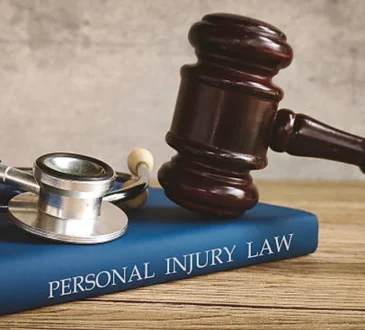
What to Do If a Medical Device Causes Serious Complications: Legal Rights, Claims, and Next Steps

Medical devices are designed to improve quality of life, support vital bodily functions, and, in many cases, save lives. However, when a device is defective, poorly designed, or improperly manufactured, the consequences can be severe-ranging from infections and chronic pain to life-threatening complications. Understanding your legal rights and options is essential if you or a loved one has been harmed by a faulty medical device.
This guide explains what qualifies as a defective medical device case, common causes of device failures, available legal remedies, and how a defective medical device lawyer can help you pursue justice and compensation.
Understanding Medical Device Complications and Product Failures
Medical device complications occur when a device used for treatment or diagnosis malfunctions or causes unexpected harm. These devices include implants, surgical tools, pacemakers, joint replacements, insulin pumps, and more.
When a device fails, it may result in serious injuries such as:
- Internal bleeding or organ damage
- Device migration or breakage inside the body
- Severe infection or sepsis
- Chronic pain or nerve damage
- Revision surgeries or permanent disability
In many cases, these outcomes may lead to a medical device lawsuit under product liability law if negligence or defect is proven.
Common Causes of Defective Medical Device Injuries
Medical device failures can occur for several reasons, often linked to the design, manufacturing, or marketing of the product. Understanding these causes is key when evaluating a potential legal claim.
1. Design Defects
A device may be inherently unsafe due to poor engineering or flawed design, making it dangerous even when used correctly.
2. Manufacturing Errors
Mistakes during production, such as contamination or use of substandard materials, can lead to serious malfunctions.
3. Failure to Warn or Inadequate Instructions
Manufacturers have a legal duty to provide clear warnings about risks and proper usage. Failure to do so can support a product liability claim.
4. Regulatory Non-Compliance
Medical devices must meet strict safety standards regulated by authorities such as the U.S. Food and Drug Administration (FDA) U.S. Food and Drug Administration. Non-compliance can increase the risk of harmful defects reaching patients.
5. Delayed Recalls
In some cases, companies fail to recall dangerous devices in a timely manner, exposing more patients to harm.
Legal Implications of a Defective Medical Device
When a medical device causes harm, the legal framework typically falls under product liability law, which holds manufacturers, distributors, and sometimes healthcare providers accountable for unsafe products.
A victim may pursue a claim based on:
- Strict liability (defective product regardless of intent)
- Negligence (failure to act with reasonable care)
- Breach of warranty (failure to meet promised safety standards)
A successful medical device lawsuit often requires proving that:
- The device was defective or unreasonably dangerous
- The defect directly caused the injury
- The device was used as intended or prescribed
- The victim suffered measurable damages
These cases can be complex and often require expert medical and engineering testimony.
Your Rights After a Medical Device Injury
If you have suffered complications due to a medical implant or device, you may be entitled to legal remedies. Victims typically have the right to seek compensation for both economic and non-economic damages.
Potential compensation may include:
- Medical expenses (surgeries, hospitalization, medication)
- Costs of revision or corrective procedures
- Lost wages and reduced earning capacity
- Pain and suffering
- Emotional distress
- Long-term disability or rehabilitation costs
In severe cases, families may also file a wrongful death claim if a defective device results in a fatal outcome.
Understanding Implant Injury Claims
Many defective medical device cases involve implants such as hip replacements, mesh implants, or cardiac devices. An implant injury claim often focuses on long-term harm caused by devices that were supposed to improve mobility or health.
Common implant-related complications include:
- Device erosion or shifting inside the body
- Chronic inflammation or infection
- Metal toxicity or allergic reactions
- Nerve damage or loss of function
- Need for multiple revision surgeries
These claims often require detailed medical documentation and expert analysis to establish a clear link between the implant and the injury.
How a Product Liability Attorney Can Help
Navigating a medical device case without legal guidance can be overwhelming. A skilled product liability attorney plays a crucial role in building a strong claim and protecting your rights.
An experienced attorney can:
- Investigate the device’s defect history and recalls
- Collect medical records and expert testimony
- Identify liable parties, including manufacturers or distributors
- Calculate full damages, including future medical costs
- Negotiate settlements or represent you in court
- Handle complex regulatory and technical evidence
Most importantly, an attorney ensures that victims are not pressured into low settlement offers from large corporations or insurance companies.
When to Contact a Defective Medical Device Lawyer
If you suspect that a medical device caused your injury, it is important to act quickly. Statutes of limitations restrict the time you have to file a claim, and delaying action may weaken your case.
You should consider contacting a defective medical device lawyer if:
- You required additional surgery due to device failure
- You experienced unexpected complications after implantation
- The device has been recalled or flagged for defects
- You suffer long-term pain or disability linked to the device
- A loved one died due to suspected device malfunction
Early legal intervention helps preserve evidence and improves your chances of a successful outcome.
Conclusion:
Defective medical devices can turn a routine medical procedure into a life-altering event. Whether caused by design flaws, manufacturing errors, or inadequate warnings, these failures can result in serious physical, emotional, and financial consequences.
Understanding your legal rights is the first step toward recovery. A well-prepared medical device lawsuit can help hold negligent manufacturers accountable and secure the compensation you need to move forward.
If you or a loved one has suffered complications from a faulty implant or medical device, do not wait. Consult a trusted product liability attorney who can evaluate your case and guide you through the legal process with confidence and care.
Take action today-your health, your rights, and your future may depend on it.