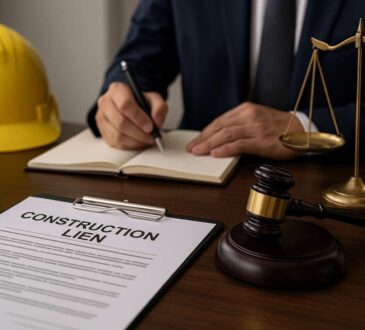

When a life is cut short by negligence, families in the Bronx face a sudden mix of grief, practical challenges, and urgent legal questions. They want accountability. They need clarity. And they deserve a path to real compensation. This guide breaks down how wrongful death and construction accident claims work in New York, what makes them different from personal injury suits, who’s allowed to file, how damages are calculated, and what happens in the crucial early weeks of an investigation. It also highlights resources for families and how experienced counsel, like a Bronx Wrongful Death Lawyer from Oresky & Associates PLLC, can help shoulder the load.
Legal distinctions between wrongful death and personal injury suits
Wrongful death and personal injury cases share a foundation, both arise from negligence, recklessness, or a wrongful act, but they are not the same claim, and the differences matter.
Who brings the claim
- Personal injury: The injured person sues for their own losses.
- Wrongful death: Under New York Estates, Powers & Trusts Law (EPTL) § 5-4.1, the personal representative (executor or court-appointed administrator) brings the claim on behalf of the decedent’s distributees (spouse, children, parents, etc.). Family members generally cannot file directly unless they are also the appointed representative.
What’s recoverable
- Personal injury: Medical bills, lost wages, pain and suffering, loss of enjoyment of life, and more.
- Wrongful death: Pecuniary (financial) losses suffered by survivors, lost income and benefits the decedent would have provided, loss of household services, parental guidance and training for children, funeral and burial expenses, and interest from the date of death. New York also allows a related “survival” claim for the decedent’s conscious pain and suffering between injury and death.
Importantly, under current New York law, grief and emotional anguish of survivors are generally not compensable in wrongful death (efforts to change the law have been proposed but not enacted at the time of writing).
Time limits
- Personal injury: Typically three years from the accident (shorter against municipalities due to Notice of Claim requirements).
- Wrongful death: Generally two years from the date of death, with special rules in medical malpractice and municipal liability contexts. Deadlines can be unforgiving: early legal consultation is key.
Construction accident overlay
Many fatal incidents in the Bronx happen on construction sites. New York’s Labor Law imposes powerful protections:
- Labor Law § 240(1) (the “Scaffold Law”) creates near-absolute liability for elevation-related risks, falls from heights and falling objects, if proper safety devices weren’t provided.
- Labor Law § 241(6) allows liability for violations of specific Industrial Code rules.
- Labor Law § 200 codifies general negligence duties for owners and contractors.
In a wrongful death arising from a construction accident, these statutes often determine who’s responsible and can markedly increase the strength of the case.
Who can file a wrongful death claim under New York law
Under EPTL § 5-4.1, only the decedent’s personal representative can file the wrongful death action. That may be:
- The executor named in the will, or
- An administrator appointed by the Surrogate’s Court if there’s no will.
The claim is brought for the benefit of the decedent’s distributees, typically:
- Surviving spouse and children
- If none, parents
- If none, other relatives determined by New York’s intestacy rules
Practical steps families often take
- Open an estate in the appropriate Surrogate’s Court (for Bronx decedents, Bronx County Surrogate’s Court).
- Have the court issue Letters Testamentary (executor) or Letters of Administration (administrator).
- The appointed representative then retains counsel and files the claim.
If a municipality is involved (for example, a city-owned site or a public hospital), a Notice of Claim may be required within 90 days, followed by a shorter statute of limitations. These procedural hurdles are one reason families often consult a Bronx Wrongful Death Lawyer early.
Courts can also appoint a representative limited to litigation if family dynamics are complex or if beneficiaries are minors, ensuring any recovery is properly allocated and court-approved.
Financial restitution and how damages are calculated for families
The goal in New York wrongful death cases is to replace the measurable financial support the decedent would have provided. That sounds clinical during a deeply human loss, but it’s what the law allows, and doing it well can secure a family’s future.
Core categories of damages
- Lost financial support: Projected earnings, employer-provided benefits, pension contributions, and the value of career growth. Economists model life expectancy, work-life, and taxes to determine after-tax income.
- Loss of services: Household contributions like childcare, elder care, cooking, cleaning, driving, home maintenance, quantified at market replacement rates.
- Loss of parental guidance: Recognized as a pecuniary loss for minor children (and sometimes for older dependents), supported by testimony and expert analysis.
- Funeral and burial expenses.
- Conscious pain and suffering: If the decedent lived for any period after the incident, the estate may recover damages for the decedent’s own suffering in a separate survival claim.
- Pre-judgment interest: In New York wrongful death, interest typically runs from the date of death, which can significantly increase recovery.
How numbers are built
Attorneys usually retain experts:
- Forensic economists to construct earnings trajectories and discount future losses to present value.
- Vocational experts to address career path and promotions.
- Medical experts to prove causation and, where relevant, the decedent’s conscious pain.
- Life-care planners when pre-death medical needs were substantial.
Documentation matters. Tax returns, W-2s, union books, apprenticeship records, certified payroll from construction jobs, and benefits statements can turn a rough estimate into a persuasive calculation. For non-wage earners, stay-at-home parents, retirees who provided significant care, counsel will use time-use studies and market rates to capture real value.
A note on settlement allocation: Courts review and approve distributions to make sure each beneficiary is treated fairly under the EPTL, especially when minors are involved.
Investigative procedures following fatal construction accidents
The first days after a fatal construction accident set the tone for the entire case. Evidence can disappear quickly, sometimes innocently, sometimes not. A disciplined investigation preserves the truth.
Immediate actions
- Scene preservation and spoliation letters: Counsel sends preservation notices to owners, GCs, subs, and site safety firms directing them to retain all evidence, photos, videos, incident logs, safety equipment, and digital data (like crane computers or hoist logs).
- Agency notifications: OSHA investigates most workplace fatalities. In New York City, the Department of Buildings (DOB) and sometimes the NYPD and District Attorney’s Office also respond.
- Family support: While agencies investigate, the family’s lawyer coordinates with next of kin, secures Letters of Administration if needed, and becomes the point of contact to reduce stress on survivors.
Evidence commonly gathered
- Photographs and video: From workers’ phones, site cameras, adjacent buildings, and traffic cams.
- Safety documentation: Site Safety Plans, Job Hazard Analyses, toolbox talk sign-in sheets, daily logs, safety inspections, and accident reports.
- Equipment and PPE: Ladders, scaffolds, harnesses, lanyards, anchors, guardrails, debris nets, preserved for expert inspection. Chain-of-custody is crucial.
- Project records: Contracts, subcontracts, RFIs, change orders, meeting minutes, certified payroll, and subcontractor scopes to nail down who controlled the work.
- Industrial Code and OSHA compliance: Experts compare conditions to New York’s Industrial Code (12 NYCRR Part 23) and federal standards to support a Labor Law § 241(6) claim.
Witness work
Crews turn over. Rapid interviews and sworn statements help lock in what happened, who provided the ladder, whether tie-off points existed, whether debris was netted. Bilingual investigators often make the difference in Bronx jobsite cases.
Independent experts
Engineers, construction safety professionals, and sometimes accident reconstructionists examine the site and equipment. In crane, hoist, or heavy equipment incidents, downloading onboard data and maintenance records can be decisive.
Coordination with parallel proceedings
OSHA findings, DOB violations, and any criminal inquiries don’t control the civil case, but they can provide powerful evidence. Experienced firms, like Oresky & Associates PLLC, known for Bronx construction accident litigation, track these threads, subpoena records, and use agency testimony strategically while building the wrongful death claim.
Emotional support and grief counseling for survivors in litigation
Litigation can help with accountability, but it doesn’t erase grief. Families often need structured support while the legal process unfolds.
Local and citywide resources
- Calvary Hospital Bereavement Services (Bronx): Free and low-cost grief counseling and groups for adults and children.
- NYC Well: 1-888-NYC-WELL or text “WELL” to 65173 for 24/7 support and referrals.
- 988 Suicide & Crisis Lifeline: Round-the-clock crisis counseling by phone or chat.
- Safe Horizon: Trauma-informed support for crime victims, including referrals for counseling.
- Faith- and community-based organizations across the Bronx that provide culturally attuned support.
Practical guidance during a case
- Designate a family liaison: One point person to communicate with the attorney reduces stress and confusion.
- Keep a contemporaneous journal: Notes on daily impacts, childcare shifts, and household adjustments help document loss of services and guidance, useful for damages and therapeutic processing.
- Mind the paperwork: Estate appointments, tax documents, and benefit claims (workers’ comp death benefits, union pensions) can be overwhelming: a good legal team will help organize and calendar deadlines.
The right Bronx Wrongful Death Lawyer will talk about care and bandwidth, not just filings. That balance matters over the months it can take to resolve a case.